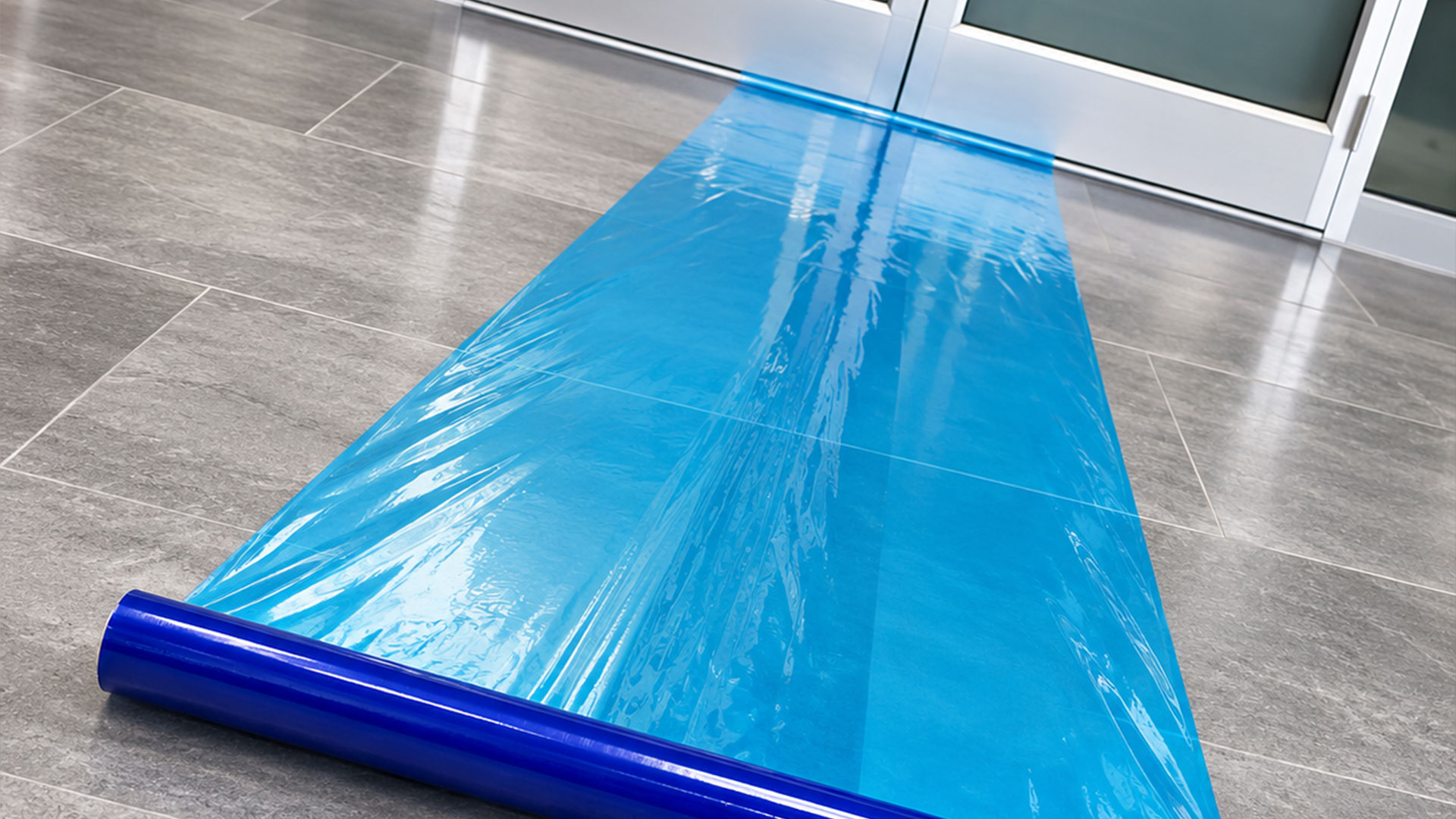
Industrial films serve different functions in manufacturing, from protecting finished surfaces during production to managing exposure to heat and environmental conditions.
Although these materials may share similar formats, their construction and performance characteristics can vary significantly. A film designed to prevent scratches during handling does not necessarily provide UV protection or thermal management.
Understanding these differences is an important part of selecting the right material for an industrial application.
Surface Protection Films: Preventing Damage During Manufacturing
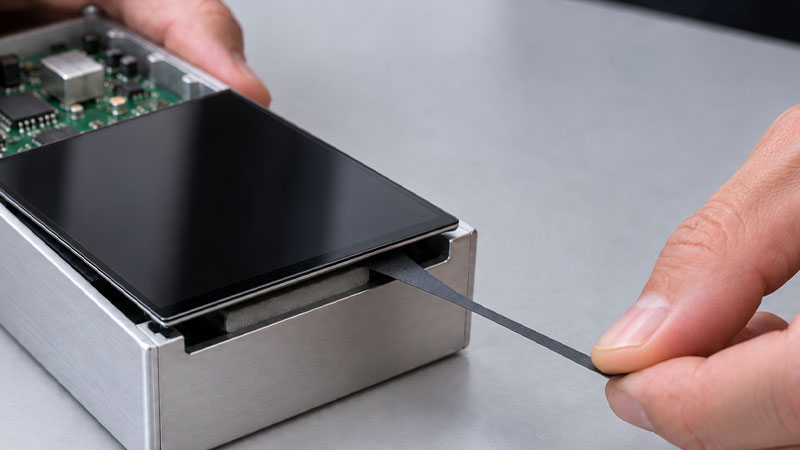
Surface protection films are commonly used to protect sensitive materials during fabrication, handling, storage, and transportation.
They provide a temporary protective layer that helps reduce exposure to scratches, abrasion, dust, and other sources of surface damage.
Typical applications include:
- Protecting glass during window and door manufacturing.
- Covering painted or polished metal surfaces during fabrication.
- Protecting acrylic and polycarbonate sheets during processing.
- Reducing handling damage to finished panels and components.
These films generally combine a polymer backing with an adhesive designed to maintain contact with the protected surface while allowing removal at the appropriate stage of production.
However, the required adhesion level depends on the substrate, its surface condition, and the environmental conditions the film will encounter.
A film that adheres adequately to smooth glass may behave differently on textured plastic or a coated metal surface.
Functional Films: Beyond Surface Protection
Not all industrial films are designed primarily to prevent physical damage.
Some are engineered to provide specific functional properties, including solar reflectivity, thermal management, electrical insulation, or resistance to environmental exposure.
For example, reflective films can be designed to reduce solar heat absorption by reflecting a portion of incoming radiation.
In November 2026, 3M introduced a cooling film developed for transportation applications, including delivery fleets and passenger rail. The manufacturer reports that its specialized film reflects more than 85% of solar radiation, helping reduce heat buildup in vehicle interiors under specified conditions.
This example illustrates how film technology can address a particular operating requirement beyond conventional surface protection.
However, these functions depend on the film’s specific construction and validated performance. A standard polyethylene protection film should not be considered a thermal-management solution unless testing supports that use.
Key Factors in Industrial Film Selection
Selecting an industrial film requires evaluating both the intended function and the conditions under which the material will be applied.
1. Substrate compatibility
The surface being protected or covered is one of the first considerations.
Glass, aluminum, painted metals, plastics, and composite materials can present different adhesion requirements. Surface texture, coatings, cleanliness, and surface energy can all influence how a film performs.
Compatibility testing is particularly important when a film will remain in contact with a finished or coated surface for an extended period.
2. Adhesion and removal requirements
For temporary surface protection, the adhesive must provide sufficient holding power during production and handling while allowing removal when the protection is no longer needed.
Low-, medium-, and high-tack films may be appropriate for different substrates and processes.
Higher initial adhesion is not necessarily better. Excessive adhesion can make removal more difficult or increase the risk of residue and surface damage.
3. Environmental exposure
Temperature, humidity, sunlight, and outdoor exposure can influence both the film backing and the adhesive.
For example, a film intended for indoor protection may not be suitable for prolonged outdoor exposure.
UV resistance should also be evaluated carefully. A manufacturer’s UV exposure rating does not automatically mean that the film blocks UV radiation or protects the substrate from every form of UV-related degradation.
4. Mechanical resistance
During manufacturing and transportation, protective films may encounter abrasion, tearing, punctures, or repeated handling.
Film thickness, backing construction, flexibility, and mechanical properties should be considered in relation to these conditions.
A thicker film is not automatically the most suitable option. Material construction and application requirements must be evaluated together.
5. Application and removal process
The method used to apply and remove the film can be as important as its technical properties.
Manufacturers should consider whether the film will be applied manually or through automated equipment, how long it will remain on the surface, and at which production stage it will be removed.
These factors can influence material selection, roll dimensions, and converting requirements.
The Role of Custom Converting
Industrial films are not always required in standard roll widths or formats.
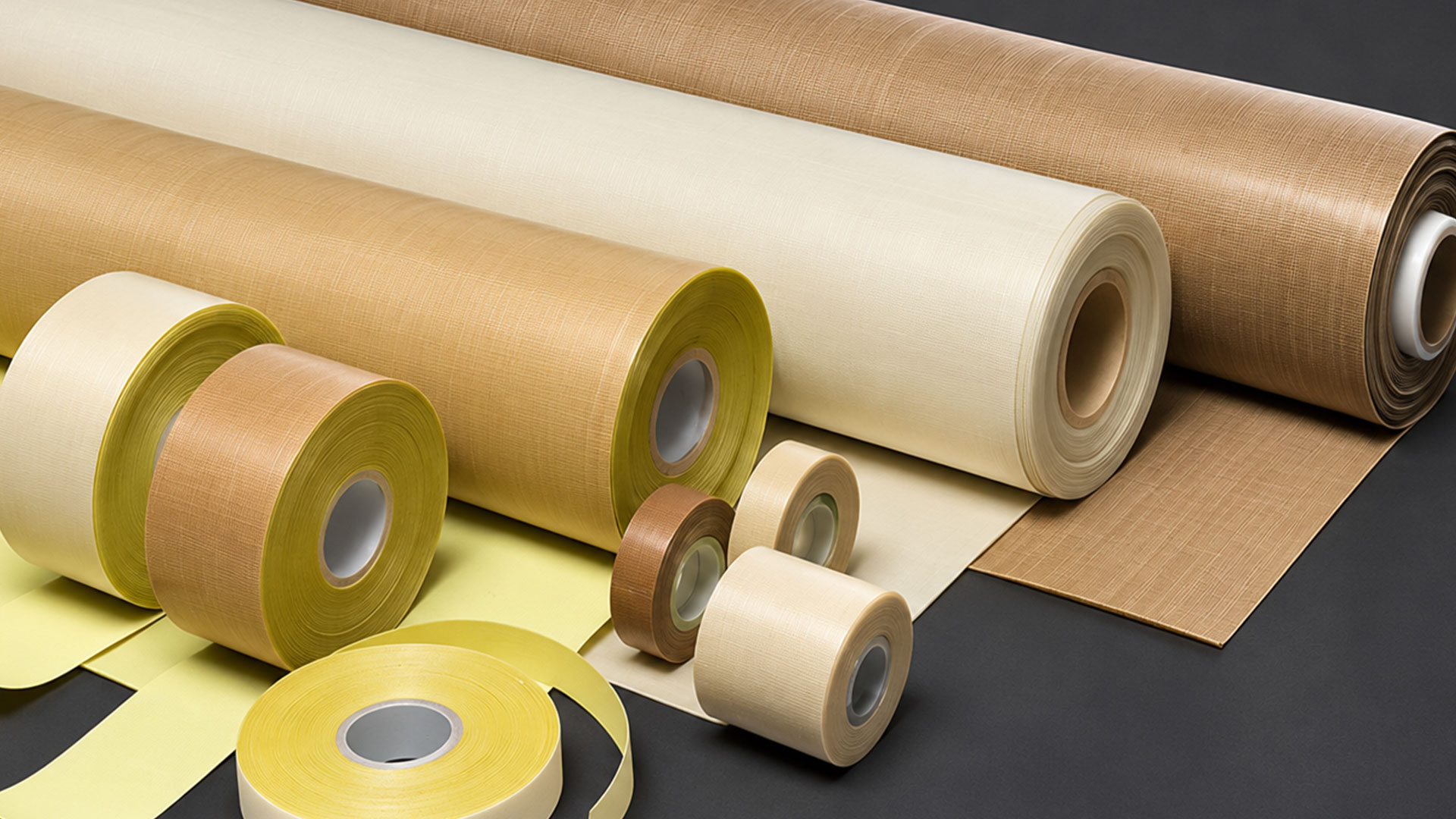
Depending on the production process, materials may need to be slit to specific widths or supplied in configurations that support handling and application.
Custom converting can help adapt the supplied material format to the manufacturing process. However, converting changes the presentation of the material; it does not automatically change its protective, adhesive, or thermal properties.
The final configuration must be compatible with both the film construction and the application equipment.
Selecting Films Based on Their Intended Function
Surface protection and functional films address different manufacturing challenges.
A temporary protective film may be selected to help prevent damage during fabrication and transportation. A reflective or thermal-management film, by comparison, must be evaluated according to its specific optical and thermal performance.
In both cases, selecting the appropriate material requires understanding the substrate, environmental exposure, application method, and expected service conditions.
At MPI Matco, we offer surface protection films for industrial applications, along with custom converting capabilities to accommodate specific material formats and production requirements.
Our team can help evaluate film options based on the surfaces involved, application conditions, and handling requirements.